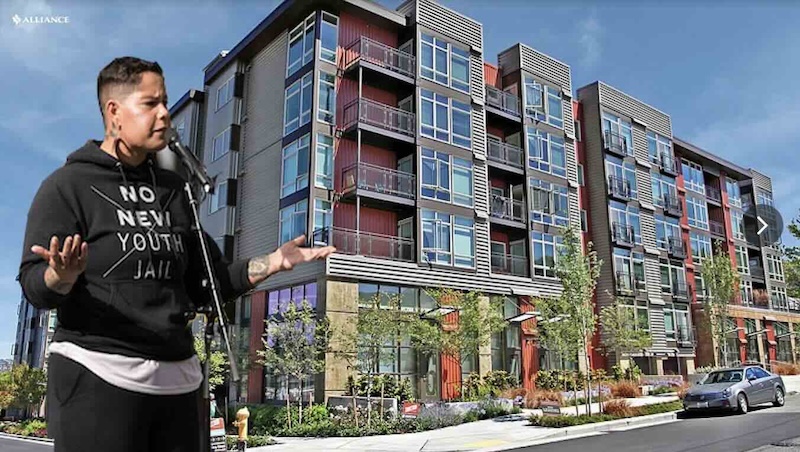
Social Housing: New Chair ⎥ $68 Million Purchase ⎥ Oliver Returns.
Seattle Social Housing October special meeting report.

A Blueprint to Right-Size Permitting.
Seattle's construction has plummeted, yet SDCI permit fees are up 39%. Right-sizing staff and adopting AI can lower housing costs and restart growth.
Construction demand in Seattle hasn’t just dropped in recent years — it’s fallen off a cliff. New master use permit applications are down 60% from their peak in 2019 and those permit applications are how we as a city pay for nearly 100 percent of the operating costs for the permitting department; Seattle Department of Construction and Inspections (SDCI).
Applicants pay fees throughout the design and building process to the city, and that is the revenue which allows the department to staff 422 people.
But when demand falls, so does permit fee revenue. If this was a business, SDCI would try to lower prices to attract more customers. And if they still can’t make enough money, they would probably have to reduce headcount to better match the actual market demand.
But that’s not what we’ve done in the last three city budgets.
Instead, the city has elected to raise fees on every application type so that a fewer number of customers can pay for the department to remain at 2019 staffing levels.
When you tax something you get less of it. This is why we put high “Sin Taxes” on alcohol and cigarettes. The same principle of economics works for housing too, and as fees rise, new construction in Seattle has stalled.
SDCI’s permitting fees have gone up by 6.5 percent in 2025, 18 percent in 2026, and are now projected to increase 10.7 percent in 2026 — a compounded 39 percent increase in just 3 years outpacing regional inflation four times.
Bellevue, for instance, charges $2,843 for a standard 500-square-foot backyard ADU permit, while Renton and Redmond charge around $2,550. Seattle will soon charge $3,822 next year for the very same thing.
Other West Coast cities have already recognized economic reality.
When construction plummeted in 2023 and 2024, Portland froze hiring, laid off excess permitting staff, and drew down reserves. While San Francisco took the opposite approach by supporting their department with a $4.8 million transfer from its General Fund.
Permitting in has fallen precipitously across the country, yet SDCI is the outlier in how it responds.
New Technology
Other cities are recognizing an opportunity to cut costs without reducing responsiveness or increasing permit wait times. Cities such as Bellevue, Austin and Honolulu are implementing tools like GovStream Ai, Archistar, CivCheck AI, and Infilla to streamline the permitting intake and review process. In doing so they have reduced staff time spent on initial intake/rejected submittals by 50 to 80 percent and cut average permit wait times by 15 to 45 days.
Meanwhile, Seattle is cutting the entire new technology budget at SDCI ($512,000 in 2027) while slapping another 10.7% fee hike on builders.
Seattle’s permitting department staff of 422 is the 2nd largest in the United States per capita. That might have made sense when we had more construction cranes in our city than any other in America for 6 straight years. But now, we’re in 22nd place out of 30 for active development and if we match permit demand, our permitting department should have closer to 330 people before we even consider any tech driven streamlining.
Change Needed to Boost Housing Construction
The Mayor and Council have a unique opportunity to solve four problems at once:
The first order of business should be to implement new technology that can automate much of the initial review work that takes the most amount of time.
The second should be to evaluate the efficiency gains from this technology and benchmark the department against other big cities to determine a more appropriate staffing level. I estimate the ideal size to be about 270 people.
Third, the fees should be slashed across the board to match not just other local cities, but high growth areas like Austin or Phoenix — which are issuing double the amount of permits in half the time. This fee reduction may require relocating general fund revenue to the Construction and Inspection fund to pay for department operations, however, when you consider the economic windfall that increased construction activity creates through sales tax revenue, this initiative will more than offset the costs.
It’s time to rightsize staff, implement new technologies and lower the fees on everyone. This way we can restart construction in Seattle for more housing and lower prices.