
Semantic Drift: When Research Plays Telephone
Researcher critical of arrest diversion program data.
Rivals Debate Solutions
The impact of Seattle’s homelessness and addiction crisis reaches well into the broader community, forcing residents and businesses to confront open encampments, public substance use and growing safety anxieties. Recent Point-in-Time data confirms the problem is worsening, underscored by an average 15 drug overdose deaths per week in King County — a toll that has become the new baseline.
The current malady is polarized. On one side stands the publicly funded system backed by the political establishment and local voters. On the other are independent outsiders, including exclusively privately funded nonprofits like We Heart Seattle and Battlefield Addiction, pushing for a different approach.
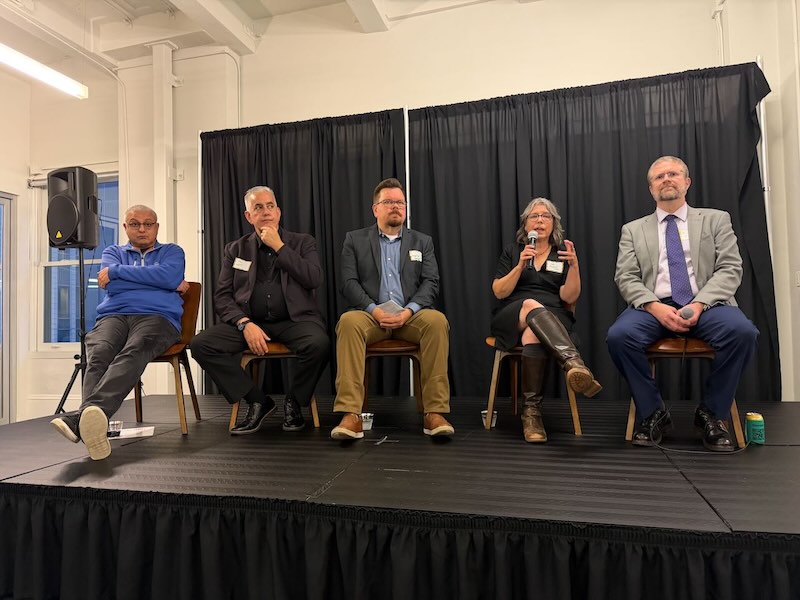
There was a recent moment of détente with prominent people from “both sides” engaging the public health crisis, meeting for a formal and brief encounter at an unlikely event.
Andrea Suarez, founder of We Heart Seattle, organized a fundraiser —she called a “friendraiser”— at the Art Love Salon on Friday, Oct. 9. Suarez, who organizes volunteer encampment cleanups and outreach, brought together advocates who disagree about how to address homelessness and addiction.
This was not a policy summit — it was a fundraiser in an art space, with We Heart Seattle gaining over $350K in contributions that night.
KIRO Newsradio host Charlie Harger was panel moderator — Check out his view of the evening on X.
Panelists included Lisa Daugaard, a co-founder of the LEAD diversion program and a supporter of Housing First. Suarez openly challenges her approach.
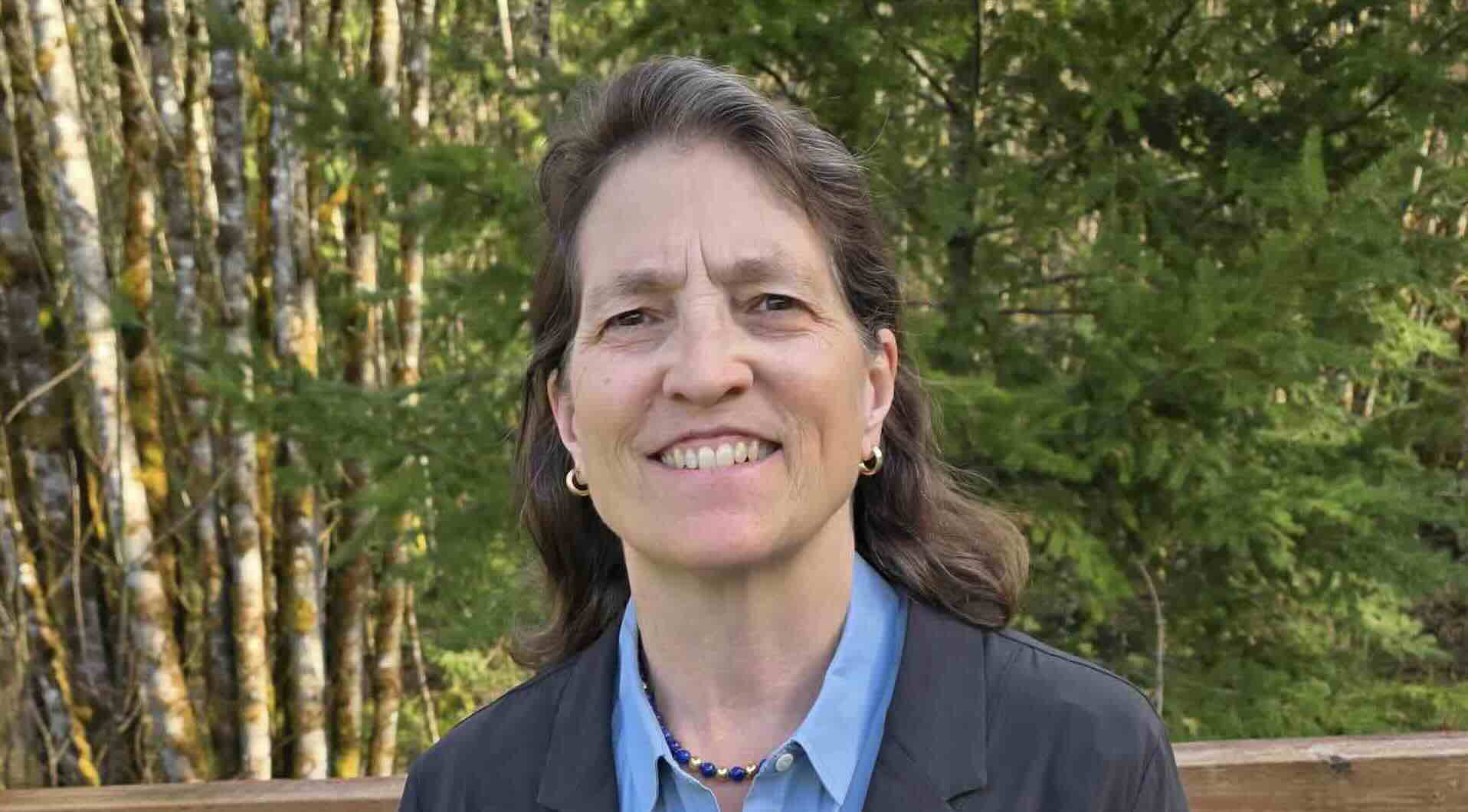
Eric Zimmerman, mayor of Normandy Park and Washington Policy Center’s director of public safety solutions policy, recently published a national retraction of claims about LEAD's evidence base.
Tom Wolf described becoming homeless in San Francisco after an addiction that began with prescription painkillers. He said repeated arrests and a six-month rehabilitation program helped him find recovery and rebuild his relationship with his family.
Sandeep Kaushik, a political consultant and former Downtown Emergency Service Center board chair. After years of heroin addiction, he said, methadone saved his life.
Kaushik supported using arrest to push people toward treatment, but cautioned against imagining people enter “some kind of weird black box” and emerge cured.
“That’s not how it works,” he said.
Zimmerman argued that Washington’s approach had failed. He criticized policies built around providing assistance without requiring something in return, pointing to growth in chronic homelessness.
“You cannot escape that reality of the results of the strategy,” he said.
Daugaard challenged assumptions about her approach.
“We absolutely support the concept that shelter and housing that the public is paying for should require participation in case management,” she said.
Daugaard supported recovery as the goal and said some harm reduction practices had become disconnected from their original purpose.
“Meet people where they are. Don’t leave them there.”
But Daugaard warned that requiring treatment as a condition of housing could put people back on the streets. Wolf countered that treatment could mean starting Suboxone or methadone while receiving housing and case management, rather than entering residential rehabilitation first.
The Question Hits Home
Audience member Art Dahlen, founder of Battlefield Addiction, put a question directly to Daugaard.
“If you had a son who was 20 years old, and you went downstairs in the basement, and he was smoking fentanyl. And your son said, ‘Mom, I’m gonna continue to smoke fentanyl no matter what you do.’ Would you just say, ‘Okay’? Or would you say, ‘You can’t do it in my house’?”
“Neither of those two things,” Lisa Daugaard answered.
Daugaard said telling a child what to do or requiring them to leave would not be her strategy. She described engagement around questions such as “What do you want out of life?” and “What pain is going on in your life?” as a way to achieve change.
Dahlen challenged whether she was answering his question.
The hour seemed to pass quickly. Suarez said she was proud that opposing viewpoints shared a stage, but wished there had been more time for debate and direct answers.
Un-Seattle
After the event, Kaushik wrote on X:
Last night I did a very un-Seattle thing: I participated in a @weheartseattle panel discussion about some of Seattle’s most polarizing, hot button issues - homelessness and addiction - with people ‘on the other side’ with whom I substantively disagree on some important and consequential things.”
His post also saw opportunities for common ground.
“No doubt @lisadaugaard and I will take some flack for engaging in good faith dialogue,” he wrote, adding, “but I’m glad I did it.”
Suarez invited people she disagrees with to an event her organization hosted. Will organizations and political leaders that support Housing First and LEAD invite Suarez, Wolf and Zimmerman to theirs?
Public money, public safety and lives are at stake. These conversations need to include people who disagree, and the hard questions need answers.
Researcher critical of arrest diversion program data.
We need to change course to save lives and reclaim our public spaces.

Too many drug overdose deaths.
Local Advocate's Reading of Executive Order.